Website Design & Development Specialists
Some of our direct clients


True Specialists Across Three Major Platforms
Zestcode have specialised in these platforms since inception in 7+ years ago to deliver industry leading quality at reasonable costs and schedules.

Laravel & Bespoke Platforms
For systems and platforms that require bespoke processes, data handling complex integrations or internal business platforms with security at the forefront of the build.

WordPress & WooCommerce
For fast, reliable and easy to manage brochure based websites built following best practice with a bespoke theme powered by ACF Pro and supporting custom built plugins.

Shopify & Shopify Plus
For eCommerce and retail brands looking to grow revenue significantly online. Built using a bespoke theme specific to your brand and with a full seamless migration from legacy platforms.
New & Featured Projects
QualityHive
A Laravel platform that web agencies use to capture, assign and close website bugs, taken from wireframe to launch, then handed over as clean, documented code.
SaaS platform · Laravel · API integrations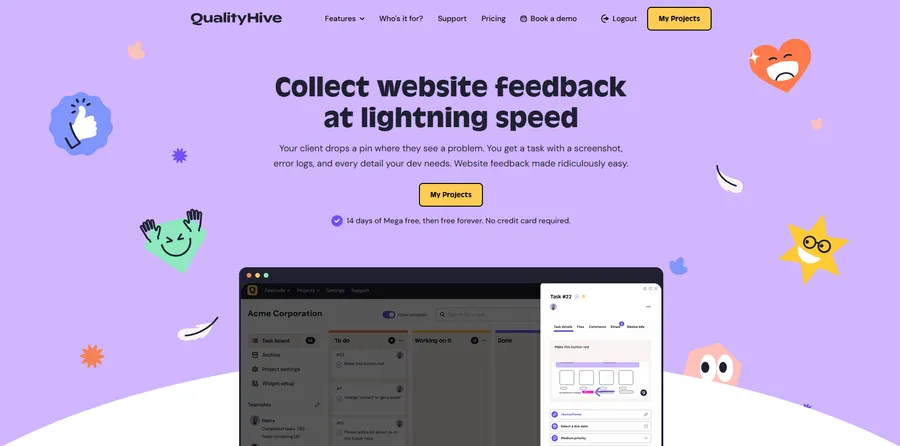
Clintons Cards
A full migration from Magento 2 to Shopify Plus, with order, customer, product, stock and finance integrations kept live through the switch.
Ecommerce · Shopify Plus · Integrations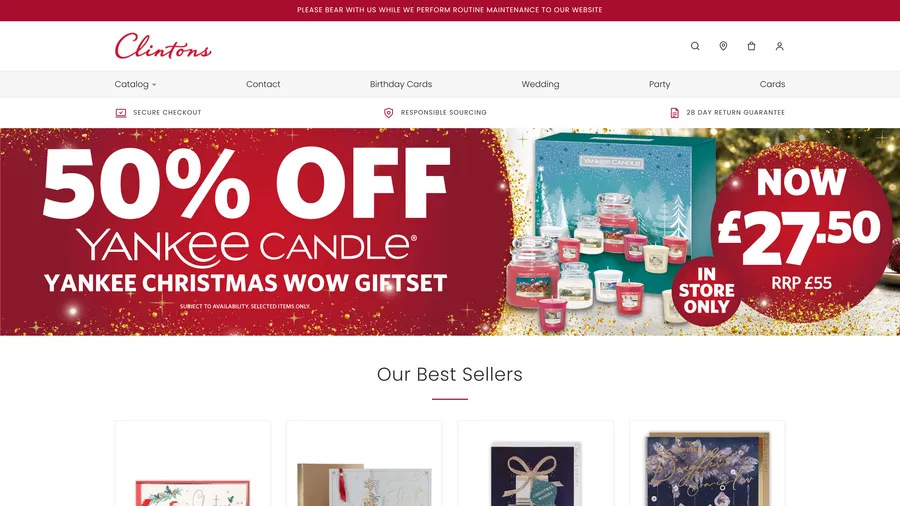
The Sauce Foundry
A brand, a WooCommerce store and product photography for an artisan hot sauce startup, launched to a 3.8% conversion rate from day one.
Ecommerce · Branding · WooCommerce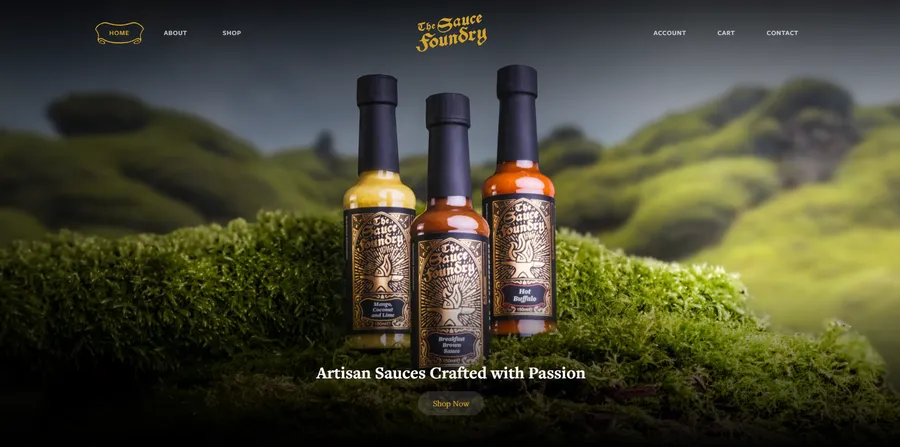
 Case study · Web Agency SaaS
 A Website QA Platform Built To Scale
QualityHive came to us with an idea and a waiting list. We built them a Laravel platform that web design and development agencies now use to capture bugs straight from a client's website, assign them to developers and close them off, and handed it over as clean, documented code.


The Brief
Agencies were collecting website feedback the hard way: long email threads, shared spreadsheets and screenshots pasted into documents. Nothing was assignable, nothing was searchable, and the same bug was often reported three times by three different people.
QualityHive needed a platform an agency could roll out to a client in minutes, with a browser extension that captures a bug straight from the page, complete with a screenshot, the exact URL and the browser and screen it happened on, and an API their clients' project tools could talk to.
What We Built
One platform, three jobs: capture a bug on the page, triage it with the team, prove it fixed to the client.
Point-And-Click Capture
A browser extension pins a bug straight onto the client's site, grabbing a screenshot, the exact URL and the browser, OS and screen size, so nobody has to describe where it happened.
Assignment And Triage
Every bug routes to a developer with a status, a due date and a full comment thread. Duplicates are caught as they are raised, on a board the whole team shares.
Client-Ready Reporting
Open bugs, resolution rates and project progress export as clean, branded reports, which is what QualityHive's own agency customers renew on.
Roles And Permissions
Agency, developer and client each see their own view of a project, with per-project access managed by the account owner.
Billing And Trials
Per-seat subscriptions, trial expiry and proration wired through Stripe, so the team can price without touching code.
A Documented API
A REST API with webhooks and written docs, so their customers' project tools can pull bug data without our involvement.
How We Ran It
Four stages, weekly demos, and direct access to the developer writing the code. No account managers in between.
Two workshops with real agency feedback in hand, then a written spec and a fixed quote.
Every screen agreed in grayscale before a line of Laravel, so changes cost minutes rather than sprints.
Fortnightly releases to a staging site the team could hand to pilot customers and comment on directly.
Repository, environment notes and API docs transferred, with a retained day a month for support.
The Result
QualityHive launched to their pilot agencies in week 14 and replaced the email-and-spreadsheet routine entirely. Feedback that used to take an evening to chase down is now captured in a click from the page it happened on, and the API means larger customers can pull bug data into their own reporting without asking anyone.
We still support the platform on a retained day a month, and the code sits in their repository, not ours.
We built QualityHive because website QA was still being run through email threads and spreadsheets. Now an agency captures a bug in a click straight from the page, assigns it and closes it off, all in one place. It has become the tool teams open first thing in the morning, which is exactly what we set out to build.

Head of Product, QualityHive
 Case study · Retail Ecommerce
 From Magento To Shopify Plus
We had supported Clintons Cards on Magento 2 for years. When the platform started to hold the business back, we migrated the whole storefront to Shopify Plus, kept every integration running through the switch, and lifted both conversion and revenue in the process.

The Brief
Clintons Cards had been running on Magento 2 for years, a platform we knew inside out from supporting it day to day. It had become slow to change, expensive to host and awkward to extend, and every peak trading period turned into a stress test the business would rather not sit.
They wanted to move to Shopify Plus without losing a single order, customer record or product, and without breaking the integrations their operation depends on, including the stock and finance link into their internal financing platform.
What We Built
A clean Shopify Plus storefront, and the integration layer that kept the business running through the switch and after it.
Magento to Shopify Plus Migration
Every product, customer and historic order moved across to Shopify Plus, mapped and reconciled, so nothing was lost and customers noticed only a faster, cleaner store.
Order and Customer Sync
Orders and customer records flow between Shopify and the back office in real time, so the operation runs on one source of truth rather than nightly exports.
Product and Catalogue Integration
Product data, variants and pricing stay in step across systems, so the catalogue is managed once and is right everywhere it appears.
Stock and Finance Integration
A live link into their internal financing platform keeps stock levels and financials aligned, so what the store sells and what the business reports never drift apart.
A Resilient Peak
Shopify Plus takes the hosting and scaling worry off the table, so Christmas and Valentine's peaks are handled by the platform rather than a late night on call.
A Clean Handover
The store, the theme and the integration layer were documented and handed over, with us on hand through the first peak and beyond.
How We Ran It
A migration with no big-bang risk: mapped, staged, tested against real data, then switched over in a controlled cutover.
We mapped every Magento entity, integration and custom flow, using what we already knew from supporting the platform.
The Shopify Plus store and the integration layer were built and wired to a staging environment running real, anonymised data.
Products, customers and order history were moved and reconciled, with counts checked on both sides before anyone signed off.
A controlled switch with the integrations live from minute one, and us watching the first orders land.
The Result
Clintons Cards moved off Magento onto Shopify Plus with no lost data and no gap in trading. Conversion rate rose by over three percent and revenue was up fourteen percent, on a store that is faster to shop and far easier for the team to run.
The integrations that keep stock, finance, orders and customers in step came through the migration intact, and we still support the platform as the business grows.
Migrating a retailer the size of Clintons Cards is where these projects usually come unstuck. The volume of orders, customers and SKUs leaves nowhere to hide, but we moved the lot to Shopify Plus with the integrations live throughout, not a record out of place, and the store came out faster and trading better than it went in.

Development Director, Zestcode
 Case study · Food & Drink Ecommerce
 A Hot Sauce Brand Launched To Sell
The Sauce Foundry came to us as a startup with a great product and not much else. We built the brand, designed and built the store, sorted the product photography, and launched them to a 3.8% conversion rate from day one.

The Brief
The Sauce Foundry is an artisan hot sauce maker that arrived as a startup: a strong product, a founder with a vision, and no brand or store to sell it through. They needed the lot building from scratch, and they needed it to convert from launch, not eventually.
That meant more than a website. It meant an identity that looked established on day one, product photography good enough to sell a flavour through a screen, and a store built around the buy rather than bolted on after.
What We Built
A brand, a store and the photography to sell it, delivered together so nothing looked stitched from separate suppliers.
A Brand From Scratch
We shaped The Sauce Foundry's identity from the name outward, the logo, palette and voice, so a new maker turned up to market looking like it had been there for years.
A Store Built To Convert
A clean, fast storefront designed around the product and the buy, which is why it launched at a 3.8% conversion rate rather than slowly growing into one.
Product Photography, Sorted
Great sauce needs great photography, so we put them in touch with a photographer we trust and art directed the shots the store was built around.
Ready For Launch Day
Payments, shipping and stock were set up and tested so the very first order could land the moment the doors opened, not a week later.
Fast And Cached
Hosting tuned with server-level caching, so a small team is not paying enterprise bills and the store stays quick even when a new sauce takes off.
Room To Grow
Built on WooCommerce, so The Sauce Foundry owns the store outright and can add products, wholesale and subscriptions as the range expands.
How We Ran It
Brand first, then a store built around it, then a launch that was ready to sell from the first click.
We got to know the range, the maker and the customer, then agreed the brand direction and the shape of the store.
Identity, packaging cues and tone of voice, so the look was locked before a single page was designed.
The WooCommerce store designed and built around the products, with the photography we art directed dropped straight in.
Payments, shipping and analytics tested, then a clean launch, live and selling from day one.
The Result
The Sauce Foundry launched to a 3.8% conversion rate from day one, a figure plenty of established stores work years to reach. A brand new maker arrived at market looking the part, with a store that sold from the first visit.
We handled the brand, the build and the product photography together, and left them with a WooCommerce store they own outright and can grow into as the range and the business expand.
We came to Zestcode with a product and little else, and they handed us back a brand and a website we are genuinely pleased with. It looked the part from launch and, more to the point, it sold from launch.

The Sauce Foundry
Here's What Our
Clients Say
Consistently rated 5* on Google by our full build clients and retainer clients.
Zestcode really have proven to be “website design & development specialists” whilst maintaining the very best customer service. Not easy to find a well-rounded company like Zest these days that tick all the boxes. 5*

Head of Marketing, Masterclip
After working with Zestcode for over 2 years I wouldn’t trust any other web developers. An agency that are committed to getting the project right and going above and beyond expectations.

Director, Novus Digital
Harry and his team have just finished producing our new website, his team have done an amazing job producing our website and their continuous communication throughout made the process a lot easier.

Director, JL Phillips
The whole process was efficient, fast and incredibly well managed. Communication was clear throughout, they understood exactly what we were trying to achieve, and they delivered without unnecessary delays or complications.

Director, Teaching Tomorrow
The main project Zestcode did for us was developing our bespoke Laravel system, which involved complex API integrations and secure data management. They were knowledgeable, responsive and easy to work with throughout.

Managing Director, Heath Crawford
Zestcode are a superb web design and development agency. Everything they produce is top quality. Harry is super responsive, always gets back to you quickly, and is an absolute pleasure to work with.

Marketing Manager, Which Health Cover
Working with Zestcode has been a genuinely positive experience from start to finish. What stood out most was how much time they took to understand how the project would fit into our existing processes before diving in. Rather than just building to a spec, they asked the right questions upfront.

Marketing Manager, Roof Maker
Zestcode Digital have just finished my website and I am beyond thrilled with it! I highly recommend their services not only are they professional and proficient but incredibly helpful.

Director, Select Art Gallery
It's an easy and enjoyable process working with Zestcode Digital, highly recommended.

Director, Whoisvisiting
Their team is highly responsive, especially in time-sensitive situations, and their ability to deliver reliable solutions quickly has been a huge asset. I wouldn’t hesitate to recommend them to anyone looking for dependable web development support.

Marketing Manager, Slick Gorilla
Having close communication with Harry throughout the whole project has been invaluable. He always makes sure to explain things thoroughly and helped me understand all the different aspects of the project that I needed to know.

Director, All Abroad
Frequently Asked Questions
How partnerships work, what they cost, and how quickly we can start.
We integrate seamlessly with your agency whilst acting as a complete, turn-key internal development team.
Our level of involvement is entirely based on your needs. We can join client calls, attend meetings, and communicate via email under your brand, all while operating as your in-house development team.
We don’t believe in a one-size-fits-all approach. Instead, we tailor our processes to match your agency’s workflow and preferences.
- Involvement: You decide exactly how visible or hands-on we are. Some agencies prefer us to be fully behind the scenes, while others ask us to take a client-facing role.
- Growth: Our developers are ready to support your agency during both quiet and busy periods, with full transparency and responsive communication.
- Behind the scenes: We operate fully behind the scenes. Your projects will never appear in our public portfolio, and we’re happy to sign NDAs to formalise this commitment.
White Label Web Development Tips & Tricks
View all articles
Website Support Retainers: What to Include and How Agencies Should Price Them
A well-structured support retainer turns unpredictable one-off client requests into predictable recurring revenue. Here's how to build one that works for both sides.
Read More website support retainers: what to include and how agencies should price them
WordPress Multisite for Agencies: When It Makes Sense (and When It Doesn't)
WordPress Multisite sounds like the obvious answer whenever a client has more than one site, but it comes with real trade-offs. Here's when it's worth it, and when it isn't.
Read More wordpress multisite for agencies: when it makes sense (and when it doesn't)
Zapier Alternatives for Agencies: When Custom Automation Beats No-Code Tools
Zapier is a great starting point for client automation, but it isn't always the right long-term answer. Here's how to tell when custom development is the better call.
Read More zapier alternatives for agencies: when custom automation beats no-code toolsPartner with Zestcode for Industry Leading Quality and Reliability
Tell what you're looking for and we'll see you how we can help. Quotes are typically provided within 2 working days of the initial call.